


In oilfield well logging operations, reliable data acquisition and readout are essential for converting downhole measurements into usable engineering information. This is particularly important for memory logging tools, where measurements are stored downhole and must later be downloaded, decoded, reviewed, and transferred for interpretation.
A Logging Data Readouts Tool provides an important interface between downhole logging instruments and the surface data-processing workflow. Depending on the system configuration, it may be used to retrieve stored logging data, communicate with memory tools, display recorded information, or support data transfer and preliminary analysis.
For wireline engineers and technical procurement managers, selecting a suitable logging data readout system requires more than checking the basic communication interface. Compatibility, data format, communication protocol, power requirements, software support, environmental conditions, and future expandability should all be considered before purchasing.
What Is a Logging Data Readouts Tool?
A Logging Data Readouts Tool is a surface-side or dedicated data-interface device used to communicate with logging instruments and access recorded logging information.
In memory-mode operations, the downhole logging tool records measurement data internally during the logging run. After the tool is recovered, a readout system can be used to establish communication with the memory module and retrieve the stored information.
The readout workflow can generally be summarized as:
Logging Tool → Data Storage → Readout Interface → Data Transfer → Processing / Interpretation
Depending on the product architecture, a readout tool may support functions such as data downloading, memory management, parameter configuration, data conversion, diagnostic checks, and communication with dedicated logging software.
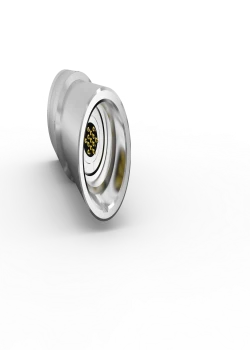
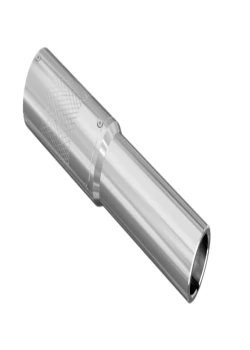
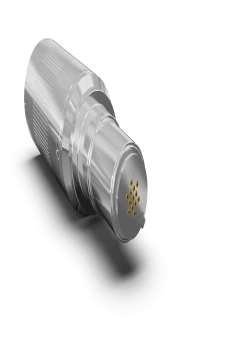
Our Logging Data Readouts Tool

Confirm Compatibility with Your Logging Tools
Compatibility should be the first specification to verify.
Before purchasing a Logging Data Readouts Tool, provide the supplier with the model numbers, tool configuration, communication interface, memory unit type, and existing surface equipment.
Important compatibility parameters may include:
◆Electrical interface
◆Connector type
◆Communication protocol
◆Data transmission method
◆Memory module type
◆Supported tool models
◆Software compatibility
◆Required adapters or interface cables
A readout device that cannot communicate correctly with the existing memory logging platform may require additional hardware or software, increasing both cost and operational complexity.
Specify the Supported Communication Protocol
The communication protocol determines how the readout system communicates with the logging instrument or memory module.
Procurement teams should ask suppliers to clearly identify the supported communication interface and protocol rather than relying only on general descriptions such as "data readout" or "USB compatible."
Depending on the system, specifications may include:
◆Serial communication
◆Digital data interface
◆Proprietary logging-tool protocol
◆USB or other computer interface
◆Communication baud rate
◆Data transfer protocol
For customized or multi-tool logging systems, protocol compatibility can be especially important.
Evaluate Data Download Speed and Stability
When a memory logging tool contains a large volume of recorded data, download speed can directly affect post-job workflow efficiency.
However, maximum transfer speed should not be evaluated alone. Data integrity and communication stability are equally important.
Engineers should ask:
1.What is the typical data download rate?
2.How long does a complete memory download take?
3.Does the system support large logging files?
4.Is interrupted-transfer recovery available?
5.Is data integrity automatically checked?
6.Can the operator verify that the complete dataset has been successfully downloaded?
A stable data-transfer process helps reduce the risk of repeated downloads and unnecessary tool downtime.
Check Data Format and Software Compatibility
Data retrieved from the memory tool must ultimately be processed and interpreted.
Therefore, procurement managers should confirm the output format and software requirements before ordering.
Useful specifications include:
◆Native data format
◆Export formats
◆Data conversion capability
◆File naming and storage structure
◆Surface interpretation software compatibility
◆Data backup functionality
If the readout system uses proprietary software, the supplier should clearly identify the required software version, licensing method, update policy, and computer requirements.
Review Power Supply Requirements
A Logging Data Readouts Tool may operate from AC power, DC power, an external power supply, or another configured source.
The RFQ should specify:
◆Input voltage
◆Power consumption
◆Frequency requirements
◆Connector type
◆Power protection
◆Operating requirements
For field operations, a flexible power configuration can be useful when the readout system needs to be transported between different logging locations.
Consider Memory Capacity and Data Management
The readout system should be able to handle the expected data volume generated by the logging tools.
Memory requirements depend on:
Number of logging channels + Sampling rate + Logging duration + Data format
For example, a high-channel-count memory logging tool operating at a high sampling rate may generate significantly more data than a simple single-parameter logging instrument.
Procurement teams should therefore request information about maximum supported file size, data-storage limitations, transfer capacity, and data backup procedures.
Evaluate Diagnostic and Verification Functions
A professional readout system can provide more value than simple data downloading.
Depending on the configuration, useful diagnostic functions may include:
◆Tool communication checks
◆Memory status verification
◆Battery or power status
◆Sensor/channel identification
◆Data integrity verification
◆Error detection
◆Communication status monitoring
These functions can help field engineers identify potential communication or data-acquisition problems before the tool is deployed.
Check Field Usability and Environmental Requirements
Although a readout system is generally used at surface, field conditions can still be demanding.
For field deployment, consider:
◆Operating temperature
◆Enclosure protection
◆Shock and vibration resistance
◆Equipment dimensions
◆Weight
◆Display or user interface
◆Cable length
◆Transportation requirements
A compact and practical system can simplify operation when logging equipment is transported between well sites or service bases.
Ask About Maintenance, Updates, and Technical Support
For B2B oilfield equipment procurement, after-sales support should be included in the technical evaluation.
Suppliers should be able to clarify:
◆Warranty period
◆Spare parts availability
◆Troubleshooting procedures
◆Remote technical support
◆Training availability
◆Calibration or inspection requirements
For international customers, English-language technical documentation and responsive engineering support can also be important factors in long-term equipment utilization.
Practical RFQ Checklist
When requesting quotations for a Logging Data Readouts Tool, consider including the following requirements:
1.Compatible logging-tool models
2.Communication interface and protocol
3.Connector specifications
4.Data download speed
5.Maximum supported data volume
6.Data format and export options
7.Required software and computer configuration
8.Input power requirements
9.Diagnostic functions
10.Operating temperature and environmental specifications
11.Dimensions and weight
12.Warranty and technical support
13.Spare parts and accessories
14.Delivery time and documentation
Providing these details allows suppliers to recommend the appropriate readout configuration instead of offering a generic device that may not fully match the existing logging system.
Conclusions on The Logging Data Readouts Tool
Selecting the right Logging Data Readouts Tool requires a complete evaluation of compatibility, communication, data transfer, software, power, diagnostics, and field usability.
For wireline engineers, the priority should be reliable communication with the memory logging tool and accurate retrieval of recorded downhole data. For technical procurement managers, a detailed RFQ can make supplier comparison more transparent and help prevent compatibility problems after purchase.
A suitable readout system should integrate smoothly into the complete logging workflow-from downhole data acquisition and memory storage to surface data retrieval and final interpretation.
If you are sourcing a Logging Data Readouts Tool for memory logging or cased hole logging applications, provide your logging-tool model, communication interface, and operating requirements to info@a-oneoil.com. A-One Oil can help confirm compatibility and recommend a suitable readout configuration for your logging system.


