


In oilfield wireline and cased-hole logging operations, reliable downhole tool string assembly is essential for achieving safe, efficient, and accurate logging results. A logging tool string may consist of multiple instruments, connectors, cable heads, centralizers, and other auxiliary components. Each component must be properly connected and compatible with the overall system.
Although it may appear to be a relatively small component, a Well Logging Adapter plays an important role in connecting different downhole logging tools and supporting proper tool string configuration. Selecting the right adapter helps ensure mechanical compatibility, reliable connections, and smooth integration between logging tools.
For technical procurement managers, equipment engineers, and field engineers, understanding the importance of a well logging adapter is an important step when sourcing downhole logging tool.
Connecting Different Downhole Logging Tools
A typical cased-hole logging tool string may include several tools designed to perform different measurements during one logging operation. Depending on the job requirements, operators may need to combine tools such as Gamma Ray, CCL, temperature, casing inspection, cement bond logging, or multi-arm caliper tools.
However, different tools may have different connection configurations, dimensions, or interface requirements.
A Well Logging Adapter provides a connection solution between compatible tool sections. It helps integrate individual tools into a complete tool string according to the required assembly configuration.
Without a suitable adapter, connecting tools with different interfaces may require additional modifications or alternative configurations, potentially increasing preparation time and equipment complexity.
For logging service companies operating different tool models, having compatible adapters can improve equipment flexibility and simplify tool string assembly.
Ensuring Mechanical Connection Compatibility
Mechanical compatibility is one of the most important considerations when selecting a Well Logging Adapter.
The adapter must match the connection specifications of the tools being assembled. Important parameters may include:
◆ Thread type and connection dimensions
◆ Outside diameter (OD)
◆ Overall length
◆ Connection orientation and assembly structure
◆ Material and mechanical strength requirements
An incorrect thread specification or dimensional mismatch can prevent proper assembly or create connection problems during downhole deployment.
For this reason, engineers should confirm the mechanical interface requirements of both connected tool sections before ordering an adapter.
It is also important to consider the operating environment. Downhole tools may experience mechanical loads, vibration, pressure, and temperature variations. The adapter's design and material specifications should therefore be appropriate for the intended application.
A-One Oil Well Logging Adapter
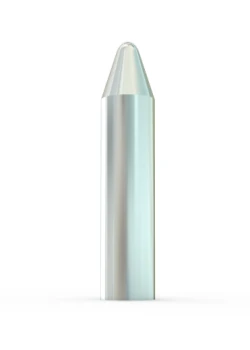
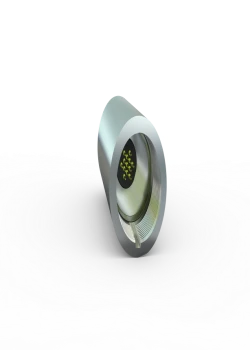
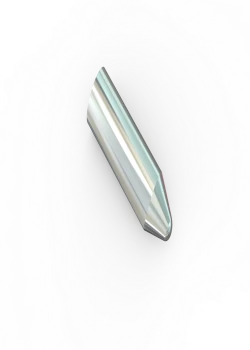
Supporting Electrical and Signal Connections
Some Well Logging Adapters are designed not only for mechanical connection but also for electrical or signal transmission between compatible instrument sections.
In an integrated logging tool string, different modules may need to communicate with each other or transfer power and measurement signals through designated electrical interfaces.
For these applications, electrical compatibility is just as important as mechanical compatibility.
Before purchasing an adapter with electrical functions, technical teams should verify:
◆ Connector and pin configurations
◆ Electrical contact arrangement
◆ Power supply requirements
◆ Signal transmission compatibility
◆ Insulation and electrical protection requirements
A mechanically compatible connection does not automatically mean that two instruments can communicate electrically.
Therefore, procurement teams should provide the manufacturer with the relevant tool models, electrical interface drawings, and connection specifications for technical confirmation.
Improving Tool String Configuration Flexibility
Different cased-hole logging projects require different tool combinations. A logging service company may need to configure its tool string according to casing dimensions, logging objectives, well conditions, and available equipment.
A suitable Well Logging Adapter can help support different assembly configurations when the connected instruments and interfaces are compatible.
For example, when combining multiple logging instruments, an adapter may be required to connect specific tool sections or accommodate different connection arrangements.
This flexibility can be valuable for service companies that operate several types of downhole logging equipment.
Instead of treating every tool combination as an entirely separate assembly, compatible adapter solutions may help simplify equipment integration and support more efficient preparation for different logging jobs.
However, the final configuration should always be confirmed by the instrument manufacturer or qualified technical personnel.
Considering Downhole Operating Conditions
Tool string components must be suitable for the expected downhole environment. Although the adapter may not perform the primary measurement function, its mechanical and, where applicable, electrical performance can affect the reliability of the complete assembly.
Before selecting a Well Logging Adapter, technical teams should evaluate the following operating conditions:
◆ Temperature rating: Confirm that the adapter materials, seals, and electrical components, where applicable, can withstand the expected downhole temperature.
◆ Pressure rating: Verify the applicable pressure requirements and whether the adapter design includes pressure-containing or sealing functions.
◆ Mechanical loading: Consider the tensile load, vibration, and other mechanical conditions expected during deployment and retrieval.
◆ Corrosion resistance: Evaluate material suitability for the well environment, particularly where corrosive fluids or gases may be present.
Not every adapter has the same structural or pressure-sealing function. These specifications must be confirmed according to the actual adapter design rather than assumed from its name.
What Should You Confirm Before Requesting a Well Logging Adapter Quotation?
To avoid unnecessary technical clarification and reduce the risk of ordering an incompatible component, buyers should prepare key information before submitting an RFQ.
A practical inquiry should include:
1, Application: Explain which downhole logging tools or instrument sections need to be connected.
2, Tool models: Provide the model numbers and manufacturers of the connected instruments.
3, Mechanical interface: Specify thread type, dimensions, OD, and connection drawings if available.
4, Electrical requirements: Identify connector type, pin configuration, and signal or power requirements, if applicable.
5, Operating conditions: Provide the expected temperature, pressure, and mechanical requirements.
6, Quantity: State the required quantity and whether the adapter is for a new tool string or replacement.
7, Additional requirements: Specify any material, sealing, certification, or documentation requirements relevant to the project.
Providing these details allows the manufacturer to evaluate compatibility more efficiently and recommend an appropriate adapter configuration.
Choosing a Reliable Well Logging Adapter Manufacturer
When sourcing a Well Logging Adapter, price should not be the only purchasing consideration. A reliable supplier should be able to understand the application, review the connection requirements, and provide technical support before production.
Procurement managers should pay attention to the manufacturer's experience in downhole logging equipment, ability to review technical drawings, product quality control, and responsiveness to project-specific requirements.
Working with a manufacturer familiar with cased-hole logging tool string configurations can help reduce interface-related uncertainties and improve coordination during equipment preparation.
Conclusion
A Well Logging Adapter is an important component in downhole logging tool string assembly. By supporting compatible mechanical connections and, where applicable, electrical integration, it helps connect individual instrument sections into a functional logging system.
For wireline and cased-hole logging service companies, selecting the correct adapter requires careful consideration of tool compatibility, connection dimensions, electrical interfaces, and downhole operating conditions.
A-One Oil is a professional manufacturer specializing in cased-hole logging tools and equipment. Our technical team provides support in reviewing application requirements and evaluating suitable equipment configurations.
Looking for a reliable Well Logging Adapter for your downhole logging tool string?
Contact A-One Oil at info@a-oneoil.com to discuss your application, tool models, connection specifications, and project requirements. We look forward to helping you evaluate the right solution for your logging operations.


