


In oilfield perforating operations, reliable system integration is essential for achieving accurate cluster selection, proper tool string configuration, and efficient field execution. A perforating system may consist of a surface control panel, downhole electronic modules, perforating guns, detonating-related components, connectors, and other auxiliary equipment. When a Cluster Selection Module is incorporated into the system, compatibility between the module and the associated perforating equipment becomes an important technical consideration.
For wireline contractors, cased-hole logging service companies, and oilfield equipment procurement teams, selecting a compatible Cluster Selection Module requires more than checking physical dimensions. Mechanical interfaces, electrical specifications, communication protocols, control logic, and operational requirements should all be evaluated before purchasing or integrating the equipment.
Understand the Function of the Cluster Selection Module
The first step is to understand the intended function of the Cluster Selection Module within the overall perforating system.
Depending on the system architecture, a cluster selection module may be designed to support cluster identification, selection-related signal processing, or communication between designated system components. Its actual functions and operating logic must be confirmed from the manufacturer's technical documentation.
Before selecting a module, technical teams should clarify:
1, What function does the module perform in the perforating system?
2, Which equipment or modules does it connect to?
3, Does it operate independently or as part of an integrated control system?
4, What input and output signals are required?
5, Which system components are responsible for selection, control, and execution?
Clearly defining these functions helps prevent misunderstandings during equipment selection and reduces the risk of purchasing a module that does not match the intended application.
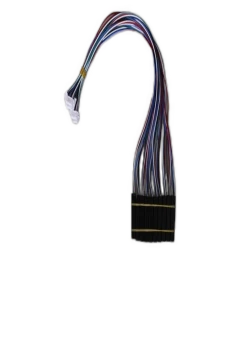
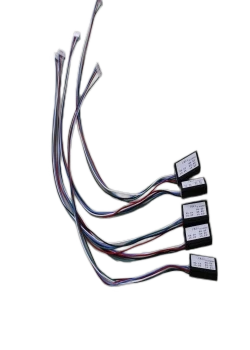
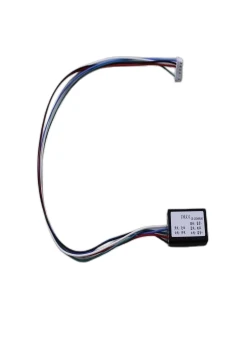
Our Cluster Selection Module
Verify Mechanical Interface Compatibility
Mechanical compatibility is a basic requirement for integrating a Cluster Selection Module into a perforating system.
The module must fit the intended tool string configuration and connect properly with the associated equipment. Even when two components have similar dimensions, their connection specifications may differ.
Important mechanical parameters include:
◆ Thread type and connection dimensions
◆ Outside diameter (OD)
◆ Overall length
◆ Connection orientation
◆ Housing structure and material
◆ Mechanical load requirements
For downhole applications, the module should also be evaluated against the expected operating environment, including vibration, shock, and mechanical loads during deployment and retrieval.
Procurement teams should provide connection drawings, dimensional specifications, and the models of the equipment to be connected. These details allow the manufacturer to review mechanical compatibility before production or delivery.
Confirm Electrical Interface and Communication Compatibility
Electrical compatibility is another critical factor, particularly when the Cluster Selection Module is integrated with electronic control equipment.
Different manufacturers may use different connector designs, pin assignments, voltage requirements, and communication methods. A connector that physically fits does not necessarily guarantee correct electrical communication.
Before integration, engineers should verify:
1, Connector configuration: Confirm connector type, pin count, pin assignment, and connection orientation.
2, Power requirements: Check the required input voltage, current, and power supply conditions.
3, Signal compatibility: Confirm the expected input and output signals and their electrical characteristics.
4, Communication protocol: If communication between electronic modules is required, verify that the protocol and data interface are supported by both sides.
5, Electrical protection: Review insulation, grounding, and protection requirements according to the system design.
A detailed electrical interface document is particularly useful when integrating equipment from different manufacturers. Any uncertain interface should be reviewed and confirmed by the relevant technical teams before system testing.
Evaluate Control Logic and System Architecture
Even when mechanical and electrical interfaces are compatible, differences in control logic may prevent successful system integration.
A Cluster Selection Module must operate according to the intended system architecture. Engineers should understand how commands, status signals, and feedback information are handled across the connected equipment.
Key questions include:
1, Which component initiates or manages the selection process?
2, How does the module communicate with the associated control equipment?
3, What operating states and feedback signals are supported?
4, Are the module's software or firmware requirements compatible with the existing system?
5, Are there specific configuration or initialization requirements?
These questions are especially important when combining equipment from different suppliers.
A system-level compatibility review helps identify potential integration issues before the equipment is deployed in the field. All control logic and operational procedures should follow the approved system design and manufacturer documentation.
Check Downhole Environmental and Operating Ratings
For downhole perforating applications, environmental suitability must also be considered.
The Cluster Selection Module and associated downhole components may be exposed to elevated temperatures, pressure, vibration, shock, and demanding well conditions.
Before purchasing, technical teams should confirm the following specifications:
◆ Maximum operating temperature
◆ Pressure rating
◆ Permitted shock and vibration conditions
◆ Housing and material specifications
◆ Environmental protection requirements
◆ Operating duration, where applicable
It is important to evaluate the ratings of the complete assembly rather than considering the module in isolation. The final system must meet the requirements of the intended well conditions.
If the perforating system includes components with different operating limits, the overall configuration should be reviewed to identify the applicable system limitations.
Conduct Compatibility Verification Before Field Deployment
A technical review should be followed by appropriate compatibility verification before the equipment is used in an actual perforating operation.
Depending on the system design and manufacturer-approved procedures, verification may include:
1, Reviewing mechanical drawings and connection specifications.
2, Checking electrical interfaces and connector configurations.
3, Confirming communication and configuration requirements.
4, Verifying that all components are approved for the intended system.
5, Conducting manufacturer-approved integration and functional checks.
6, Reviewing system documentation and field operating procedures.
Testing should be performed by qualified personnel using approved procedures. Any interface mismatch, unexpected signal behavior, or configuration issue should be resolved before field deployment.
For safety-critical perforating equipment, compatibility should never be assumed based solely on physical connection or a successful initial power-up.
What Information Should You Provide When Requesting a Cluster Selection Module Quotation?
To help manufacturers evaluate compatibility and recommend an appropriate configuration, procurement managers should provide sufficient technical information when submitting an RFQ.
A practical inquiry should include:
◆ Application: Intended perforating operation and system configuration.
◆ Equipment models: Manufacturer and model numbers of the associated perforating equipment.
◆ Mechanical specifications: Connection type, dimensions, OD, and relevant drawings.
◆ Electrical requirements: Connector type, pin configuration, power supply, and signal requirements, if applicable.
◆ Communication requirements: Supported protocols and interface documentation, where relevant.
◆ Downhole conditions: Expected temperature, pressure, and mechanical operating conditions.
◆ Quantity: Required quantity and expected delivery schedule.
◆ Documentation: Technical datasheets, inspection records, and other project-specific documentation requirements.
Providing this information at the inquiry stage helps reduce repeated technical clarification and allows the supplier to assess the proposed configuration more efficiently.
Conclusion
Ensuring compatibility between a Cluster Selection Module and a perforating system requires a comprehensive review of mechanical connections, electrical interfaces, communication requirements, control logic, and downhole operating conditions.
For wireline contractors and cased-hole logging service companies, early compatibility verification can help reduce integration risks, improve equipment preparation, and support more reliable perforating system configuration.
A-One Oil is a professional manufacturer specializing in cased-hole logging tools and equipment. Our technical team can support customers in reviewing application requirements and evaluating suitable equipment configurations.
Looking for a Cluster Selection Module for your perforating system?
Contact A-One Oil at info@a-oneoil.com to discuss your application, equipment models, interface specifications, and project requirements. Our team looks forward to helping you evaluate a suitable solution for your oilfield operations.


