


In the oil and gas industry, accurate subsurface data is critical for safe, efficient, and profitable operations. One of the most vital tools in achieving this is the Depth Time Recorder, particularly when performing cased hole logging. Despite advances in logging technology, many professionals underestimate the role of depth measurement in obtaining reliable downhole data. This blog will explore why depth time recorders are essential for cased hole logging and how they contribute to better well management.
What Is Cased Hole Logging?
Before diving into the importance of depth time recorders, it's helpful to understand cased hole logging. Unlike open-hole logging, cased hole logging is performed after the well has been cased and cemented. This method is used to:
· Evaluate completion quality.
· Monitor reservoir performance.
· Detect fluid movement or leaks.
· Plan future interventions and workovers.
Cased hole logs are inherently more challenging than open-hole logs because the casing and cement can interfere with measurements. This makes precise depth correlation critical.
Understanding Depth Time Recorder
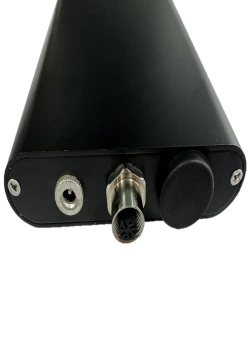
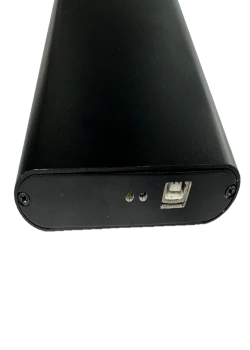
A Depth Time Recorder is a device that continuously records the depth of the logging tool in real time. It uses mechanical, electronic, or digital means to provide an accurate record of tool position versus time. This data ensures that measurements correspond to exact subsurface locations, allowing engineers and geologists to make informed decisions.
Key Functions of DTR in Cased Hole Logging
1. Accurate Depth Correlation
Cased hole environments can cause slight tool movement due to friction, tubing restrictions, or wellbore deviations. It helps correct for these variations, ensuring the log is accurately depth-referenced.
2. Data Synchronization
Depth recordings can be synced with other logs such as gamma-ray, neutron, or resistivity logs, allowing for more precise interpretation of formation characteristics.
3. Time-Based Analysis
Some logging operations, such as production logging, require time-dependent data. DTR allow operators to analyze changes over time at specific depths, improving reservoir management.
Why Depth Accuracy Matters in Cased Hole Logging?
Cased hole logs are often used for critical decision-making, such as determining:
· Well integrity
· Formation saturation
· Production zones
· Need for remedial interventions
Even a few feet of depth error can lead to misinterpretation of reservoir properties, resulting in costly mistakes or missed production opportunities. Depth time recorders provide the precision necessary to avoid these errors.
Case Example: Production Logging
In production logging, operators measure fluid flow and composition inside a producing well. Without a DTR, depth errors can cause misalignment between flow profiles and actual reservoir zones, potentially leading to incorrect completion decisions. It ensures that each measurement aligns with its correct depth, optimizing production and reducing risk.
Conclusion
In the complex environment of cased hole logging, depth time recorder is not optional-they are essential. They ensure precise depth correlation, enable accurate data interpretation, and minimize costly errors. By integrating DTRs into every logging operation, oil and gas operators can enhance reservoir evaluation, improve production monitoring, and make smarter, data-driven decisions.
Investing in high-quality depth measurement technology is a small cost compared to the potential losses from inaccurate logging. Whether you are performing routine well integrity checks or advanced production analysis, a reliable depth time recorder is the foundation of successful cased hole logging.
Contact us at info@a-oneoil.com today to learn more about our Depth Time Recorder and request a project solution. Or to inquire about product procurement matters. Our professional team will provide you with detailed answers and help you solve any technical problems you encounter in oil and gas exploration and engineering operations.


