


In oilfield operations, accurate depth correlation is critical for successful logging, perforation, plug setting, and well intervention activities. A Casing Collar Locator (CCL) is one of the most widely used depth-correlation tools in cased-hole environments, helping operators identify casing collars and confirm tool position within the wellbore.
However, not all CCL tools are designed for the same operating conditions. Factors such as well depth, casing specifications, temperature, pressure, logging requirements, and system compatibility can significantly affect tool performance. Selecting the right CCL tool can improve operational efficiency, reduce non-productive time (NPT), and ensure reliable logging results.
Understanding the Role of a CCL Tool
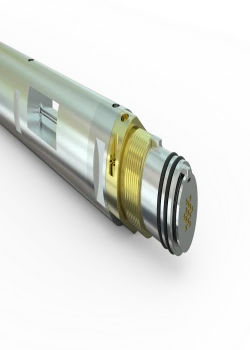
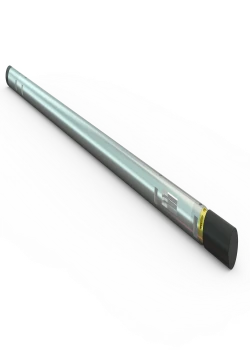
A Casing Collar Locator is an electromagnetic device designed to detect changes in metal thickness at casing joints. As the tool passes a casing collar, it generates a characteristic signal that can be recorded and used for depth correlation.
CCL tools are commonly deployed in:
· Cased-hole well logging
· Perforating operations
· Plug and packer setting
· Production logging
· Well integrity evaluations
· Well intervention services
Because casing collars are installed at known intervals, they provide reliable reference points for determining tool depth inside the well.
Depth accuracy directly impacts operational success. Even a small depth discrepancy can lead to:
· Incorrect perforation placement
· Inefficient reservoir access
· Additional intervention costs
· Delays in well completion
· Increased operational risk
A properly selected CCL tool helps ensure precise depth matching between historical well records and current logging operations.
For operators working in high-value wells, accurate collar detection can significantly improve operational confidence and reduce costly errors.
Evaluate Your Well Conditions First
Before selecting a CCL tool, engineers should thoroughly review well conditions.
1, Well Depth
The depth of the well influences both tool design and signal performance.
For shallow wells, standard CCL tools may provide sufficient accuracy. However, deeper wells often require higher-sensitivity sensors capable of detecting collars under challenging conditions.
Questions to consider include:
· What is the total measured depth (MD)?
· Will the tool operate in extended-reach sections?
· Is depth correlation critical for the planned operation?
2, Temperature and Pressure
High-temperature and high-pressure (HTHP) wells place significant stress on downhole electronics.
When evaluating a CCL tool, verify:
· Maximum operating temperature
· Pressure rating
· Electronic reliability under extreme conditions
· Material compatibility
Selecting a tool with insufficient environmental ratings can lead to signal degradation or tool failure.
3, Casing Size and Weight
Different wells use different casing programs.
The CCL should be compatible with:
· Casing diameter
· Wall thickness
· Casing grade
· Collar design
Some collars generate stronger magnetic signatures than others. Understanding the casing specifications helps ensure reliable detection performance.
Consider the Logging Operation Requirements
Different applications demand different levels of CCL performance.
Perforating Operations
Perforating requires extremely accurate depth correlation.
For these applications, operators typically prioritize:
· High signal resolution
· Strong collar response
· Real-time depth tracking
· Minimal signal noise
A high-performance electronic CCL is usually preferred.
Production Logging
Production logging often combines multiple sensors in a single tool string.
In these situations, the selected CCL should offer:
· Stable performance
· Compact design
· Low power consumption
· Compatibility with production logging systems
Well Intervention
Intervention operations frequently involve challenging environments and fast deployment schedules.
Engineers should look for:
· Rugged construction
· Easy maintenance
· Reliable field performance
· Proven operational history
Review Tool Reliability and Durability
Oilfield environments are demanding. Equipment must withstand vibration, shock, pressure fluctuations, and harsh operating conditions.
When evaluating a CCL tool, consider:
Build Quality
Look for:
· High-strength housing materials
· Corrosion-resistant components
· Robust electronics
· Reliable sealing systems
Assess Supplier Experience and Technical Support
The supplier is often as important as the tool itself.
An experienced manufacturer can provide:
· Technical consultation
· Tool selection guidance
· Training support
· Troubleshooting assistance
· After-sales service
When evaluating suppliers, consider:
· Industry experience
· Product certifications
· Quality management systems
· Field application expertise
Technical support becomes especially valuable when operating in complex well environments.
Conclusion
Selecting the right Casing Collar Locator (CCL) is a critical step in achieving accurate depth correlation and successful cased-hole operations. The ideal solution should match the well environment, operational objectives, and existing logging infrastructure while providing reliable signal quality and long-term durability.
By carefully evaluating well conditions, tool specifications, compatibility requirements, supplier capabilities, and total ownership costs, oilfield operators can make informed purchasing decisions that improve efficiency and reduce operational risk.
Whether the project involves perforating, production logging, well intervention, or integrity evaluation, investing in a high-quality Casing Collar Locator can significantly enhance measurement accuracy and contribute to safer, more successful oilfield operations.
Contact us at info@a-oneoil.com today to learn more about our Casing Collar Locator (CCL) and request a project solution. Or to inquire about product procurement matters. Our professional team will provide you with detailed answers and help you solve any technical problems you encounter in oil and gas exploration and engineering operations.


