


During oil and gas well operations, accurate downhole measurements are essential for evaluating well conditions, maintaining production efficiency, and ensuring long-term well integrity. Cased hole logging provides valuable information about casing condition, production performance, cement quality, and potential wellbore problems. However, the accuracy of logging results depends not only on the performance of logging sensors but also on the proper positioning and stability of the downhole tools.
A-One Oil Roller Centralizer is a critical accessory used in wireline and cased hole logging operations to keep logging tools properly centered inside the casing. By improving tool centralization, reducing mechanical friction, and maintaining stable movement during logging runs, roller centralizers help enhance measurement accuracy and operational reliability.
What Is a Roller Centralizer?
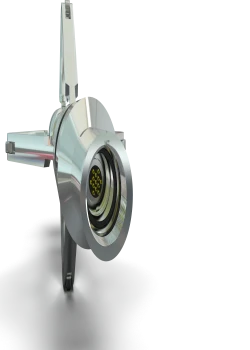
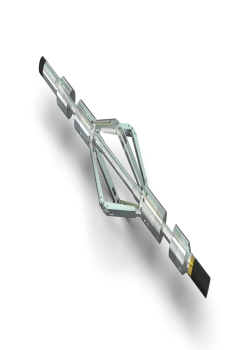
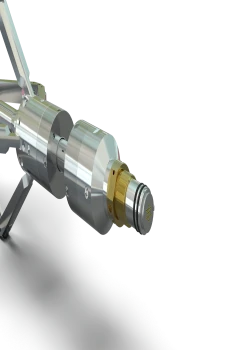
A Roller Centralizer is a mechanical device designed to maintain the position of downhole logging tools in the center of the wellbore or casing. It is typically installed around wireline logging tools and uses multiple rollers or wheels that contact the casing wall during tool movement.
Unlike traditional centralizers that rely mainly on sliding contact, roller centralizers use rotating rollers to reduce friction between the tool string and the casing. This design allows logging tools to move more smoothly through the well while maintaining proper alignment.
Roller centralizers are commonly used in:
◆ Cased hole logging operations
◆ Production logging services
◆ Wireline conveyance systems
◆ Well integrity evaluation
◆ Downhole inspection applications
By improving tool positioning and reducing unwanted movement, roller centralizers contribute directly to better-quality logging data.
Our Products
How Does a Roller Centralizer Improve Cased Hole Logging Accuracy?
1. Maintaining Proper Tool Position Inside the Casing
One of the biggest challenges in cased hole logging is keeping the logging tool properly positioned within the casing.
When a logging tool is not centered, sensors may measure uneven distances from the casing wall, which can result in inaccurate readings. This problem is especially common in:
◆ Large-diameter casing
◆ Deviated wells
◆ Horizontal sections
◆ Irregular wellbore conditions
A roller centralizer keeps the logging tool aligned along the center axis of the casing, allowing sensors to collect more consistent and representative measurements.
For tools such as caliper instruments, casing inspection tools, and production logging tools, proper centralization is essential for obtaining reliable data.
2. Reducing Tool Vibration and Mechanical Movement
During wireline logging operations, downhole tools may experience vibration, sudden movement, or unstable positioning due to cable tension, well conditions, and fluid flow.
Excessive movement can negatively affect measurement quality by creating inconsistent sensor responses.
Roller centralizers help stabilize the tool string by providing continuous contact with the casing wall while allowing smooth movement. This reduces:
◆ Tool vibration
◆ Uncontrolled lateral movement
◆ Measurement fluctuations
◆ Data interpretation errors
As a result, engineers can obtain cleaner logging curves and more reliable evaluation results.
3. Improving Logging Performance in Deviated and Horizontal Wells
Modern oil and gas wells often include highly deviated or horizontal sections, where gravity can cause logging tools to rest against the casing wall.
It creates challenges for accurate measurements because the tool may not maintain the required position relative to the casing.
A roller centralizer provides mechanical support and helps maintain tool alignment even in challenging well geometries.
Benefits include:
◆ More stable tool movement
◆ Better sensor positioning
◆ Improved data quality
◆ Reduced risk of tool sticking
For complex well conditions, roller centralizers are an important solution for improving logging reliability.
4. Reducing Friction and Improving Tool Movement
Traditional sliding-type centralizers can create significant friction between the tool and casing, especially in long logging intervals or wells with rough casing conditions.
High friction may lead to:
◆ Increased cable tension
◆ Uneven logging speed
◆ Difficult tool movement
◆ Higher operational risks
Roller centralizers reduce friction by replacing sliding contact with rolling movement. This allows logging tools to travel more smoothly through the wellbore.
Stable tool movement helps maintain consistent logging speed, which is important for accurate depth correlation and data interpretation.
5. Protecting Downhole Logging Equipment
Cased hole logging tools are precision instruments that operate in harsh downhole environments. Direct contact between the tool body and casing can cause mechanical wear and potential damage.
Roller centralizers provide a protective interface between the logging tool and casing wall, helping to reduce:
◆ Tool body wear
◆ Mechanical impact
◆ Damage during deployment and retrieval
Extending tool service life reduces maintenance requirements and improves overall operational efficiency.
Applications of Roller Centralizers in Cased Hole Logging
Roller centralizers are widely applied in various oilfield logging operations, including:
1, Casing Inspection Logging-For casing inspection tools and multi-arm caliper systems, accurate positioning is essential. Roller centralizers help maintain proper tool alignment to improve casing measurement accuracy.
2, Production Logging-Production logging tools require stable positioning to measure flow-related parameters accurately. Centralization improves sensor reliability during production evaluation.
3, Well Integrity Evaluation-When evaluating casing conditions, cement quality, or mechanical damage, accurate tool placement helps engineers obtain trustworthy diagnostic results.
4, Wireline Logging Operations-Roller centralizers support smoother deployment and retrieval of wireline tool strings, especially in challenging well conditions.
Key Factors When Selecting a Roller Centralizer
When choosing a roller centralizer for cased hole logging applications, operators should consider:
◆ Compatibility with Logging Tools-The centralizer should match the diameter, weight, and configuration of the logging tool string.
◆ Mechanical Strength-High-quality materials and robust design are important for reliable performance under downhole pressure and temperature conditions.
◆ Roller Design-The roller structure should provide smooth movement, low friction, and long service life.
◆ Application Environment-Different wells may require different centralizer designs depending on casing size, deviation angle, and logging objectives.
Conclusion: Roller Centralizers Improve Logging Accuracy and Operational Reliability
A Roller Centralizer plays an important role in improving the accuracy and reliability of cased hole logging operations. By maintaining tool alignment, reducing vibration, minimizing friction, and protecting downhole equipment, roller centralizers help ensure that logging tools collect high-quality data in complex well environments.
For oilfield service companies and wireline logging contractors, selecting a reliable roller centralizer solution can improve measurement accuracy, reduce operational challenges, and increase overall logging efficiency.
As cased hole logging technology continues to develop, advanced roller centralization solutions will remain an essential component for achieving precise and dependable well evaluation results.
Contact us at info@a-oneoil.com today to learn more about our Roller Centralizer and request a project solution. Or to inquire about product procurement matters. Our professional team will provide you with detailed answers and help you solve any technical problems you encounter in oil and gas exploration and engineering operations.


